


Torching around at midnight
At South Moor Vets, we have 5 vets on duty during nights and weekends (3 for pets, 1 farm and 1 equine), plus 3 nurses at different branches.
I’m an equine vet (I only see horses) and cover 1/5 weeknights and weekends, shared with the other equine vets.
Being on call is a real pain: I need to be able to jump in my car and go if there is an emergency – I can’t be miles away walking the dogs, I can’t have the children without back-up, I can’t go out of our area etc. However, this is a vital service for our clients and patients, so that if any of the animals under our care are suffering, they will have access to a vet 24/7/365.
Recently, I was on call; it got to 10.30pm and I was about to go to bed. Then came the dreaded sound of my phone. There was relief when I realised it wasn’t the practice but a friend of mine (Matt), but then some concern when I remembered that his wife was very pregnant and he wouldn’t normally call at this time. Worriedly answering the phone and Matt explained that he had heard a dog barking in the night and found a terrier hung up by its back end on a barbed wire fence two fields away from the house. Matt had tried to help, but it was properly stuck on the barbs and had bitten him in distress. My first thought was admiration that he had heard a dog barking and gone to find it. My second thought was, we can’t ask his heavily pregnant wife to climb across fences and fields to help free a distressed terrier that might bite her.
I wondered about sending one of the duty small animal vets, but thought this was a bit mean and they usually see animals in the practice, not in fields in the dark! Half an hour later, I arrived at Matt’s house and we set out across the fields with head torches. The dog had obviously struggled and twisted round many times, such that it was well and truly tied to the fence by its own skin. There was no way to release it without causing a lot more trauma: the only option was a quick surgical procedure under torch light to release the poor dog. This done, the dog seemed remarkably unphased by the whole ordeal!
There were no contact details on the dogs’ collar, but my microchip scanner picked up the chip number; a quick call to one of the duty nurses and we traced the owner details. At this moment, one of the other duty nurses called me to say there was a foal that had just been born, but the mother wasn’t letting it suckle. I left the dog with Matt, who went to give it some food and pain killers.
On my way to the foal, I called the dog owner: she set off to collect the dog from Matt and promised to get the dog checked at the vets. Foals are vulnerable after they are born and there is a short window where they need to get enough colostrum from the mare’s milk.
Colostrum contains all the immunity foals need to survive until they are old enough to produce their own, but they can only absorb it within the first 24 hours and most efficiently within the first 8 hours. Mares can ‘reject’ a foal, so it can’t suckle and then doesn’t get any colostrum, which makes it at high risk of dying from sepsis.
On arrival at the mare and foal, the mare was agitated and not letting the foal suckle. Luckily, we have a hormone injection, which when used in mares with new-born foals, usually makes them fall in love with the foal. (No, vets do not have access to any love drugs that work on humans!). I also gave the mare a pain killer in case she was a bit sore after giving birth and this was adding to her agitation.
The owner then milked the mare into a bottle and fed the foal its first drink of colostrum while we waited for the medications to take effect. The following day we blood tested the foal and confirmed that it had received enough immunity from the mare, thanks to the dedicated owner.
It was an unusual night on call as I don’t normally see dogs, but I got home satisfied that I’d made a small difference. Please make sure your animals are registered with a vet in case you have an out of hours emergency: it’s important to check who provides the out of hours cover at your vets and where you will have to go in case of an emergency. A lot of practices now don’t do their own out of hours work and subcontract it to another practice, which could be a long way from where you live and not with people you know and trust.
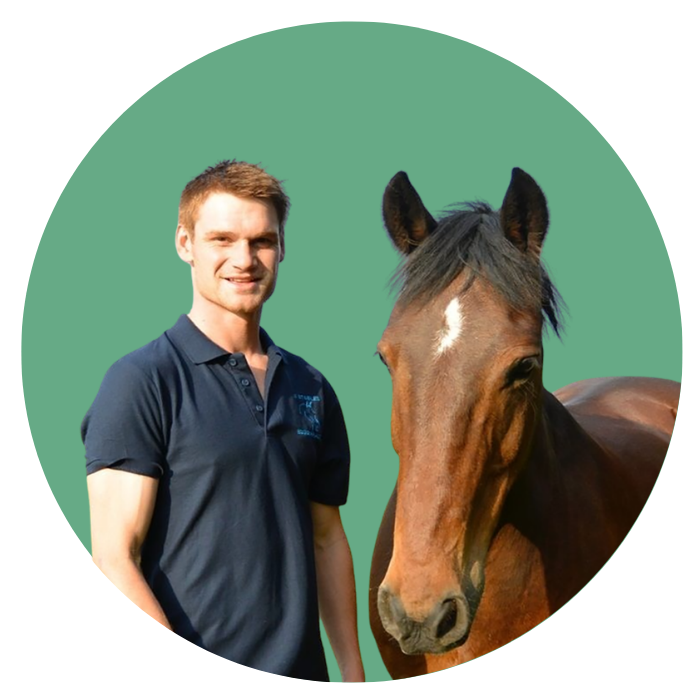
by James McIntosh
BVSc CertAVP(EP) MRCVS
(Equine Vet and Director)

Preventative care, made simple
Keeping your horse healthy throughout the year takes planning and understanding. Our Equine Health Plan takes care of the routine, so you can focus on what matters.
Our Equine Health Plan spreads the cost of routine preventative care into one simple monthly payment. Choose Premium for our most comprehensive cover, or Essentials for the fundamentals every horse needs at exceptional value.
Whichever you choose, routine care is managed for you, so you can get on with doing what you love.